The local link
Vienna and the sound of Hollywood: Steiner, Korngold and The Third Man
Two Hollywood pioneers with Viennese roots and one zither tune that made a film famous: a city's quiet influence on the cinema's music.
Choose your concert night ↗Quick answer
Film music in Vienna is not a visitor from elsewhere. Max Steiner was born in the city and scored King Kong and Gone with the Wind; Erich Wolfgang Korngold grew up here and won Oscars for Hollywood scores; and The Third Man, set in occupied Vienna, took its sound from a local zither player named Anton Karas.
Three Viennese threads in film music
| Link to Vienna | Sourced fact | |
|---|---|---|
| Max Steiner | Born in Vienna in 1888 | Scored King Kong in 1933 and Gone with the Wind in 1939 |
| Erich Wolfgang Korngold | Grew up in Vienna as a child prodigy | Moved to Hollywood in 1934; won two Academy Awards |
| The Third Man | Set in post-war Vienna | Zither score by Anton Karas; Palme d'Or at Cannes in 1949 |
Max Steiner, from Vienna to Hollywood
Wikipedia records that Max Steiner was born in Vienna on 10 May 1888 and died in Los Angeles in 1971. In 1904 he enrolled at the Imperial Academy of Music, now the University of Music and Performing Arts, completed a four-year course in one year and won a gold medal at fifteen. After about fifteen years on Broadway he was brought to Hollywood in 1929. King Kong (1933) was his breakthrough, scored with leitmotifs, and Gone with the Wind (1939) is described as the longest film score ever composed, at nearly three hours. The American Film Institute ranks it second on its list of greatest American film scores.
Korngold and the operas without singing
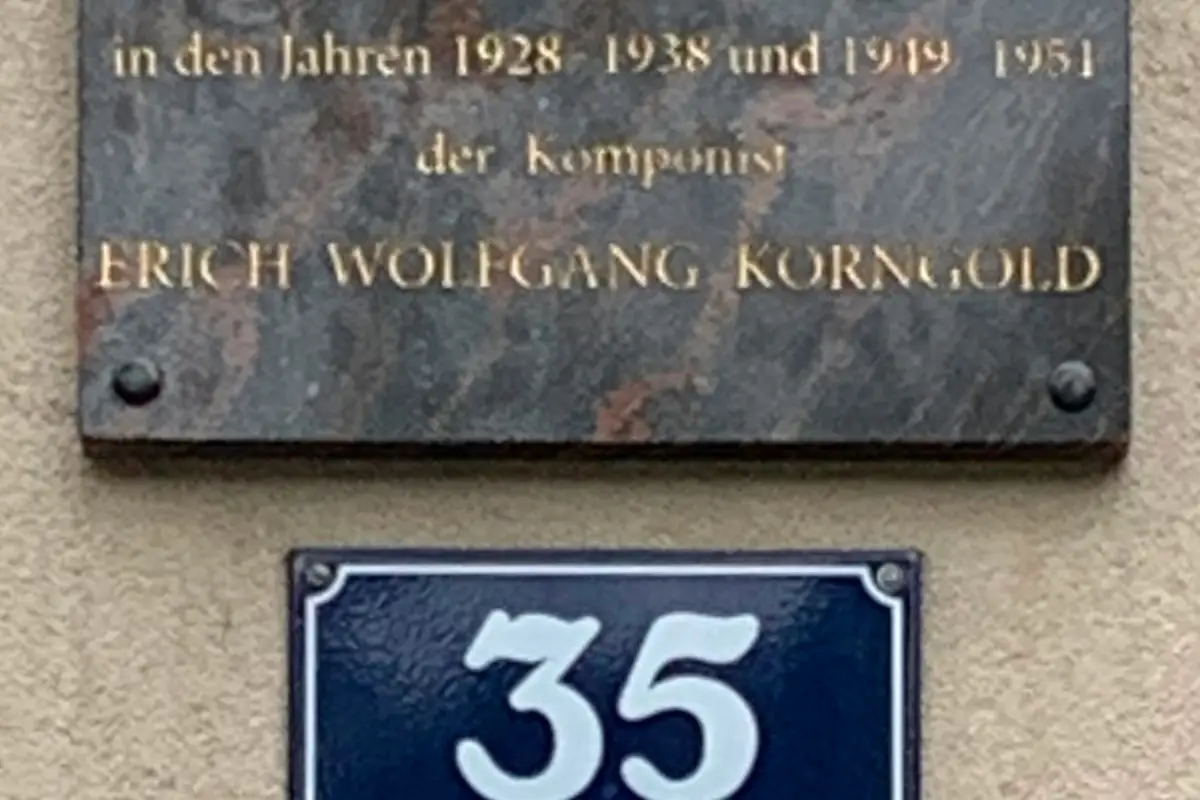
Erich Wolfgang Korngold was born in Brno in 1897 but grew up in Vienna as a child prodigy. By seven he was writing music, and his ballet The Snowman was performed at the Vienna Court Opera in 1910. He moved to Hollywood in 1934, and his score for Anthony Adverse won an Academy Award in 1936, followed by The Adventures of Robin Hood two years later. Wikipedia says he thought of his film scores as operas without singing, counts him among the founders of American film music beside Steiner and Alfred Newman, and says John Williams has cited him as an inspiration for Star Wars. A commemorative plaque marks a Vienna address where he lived.
The Third Man and the zither
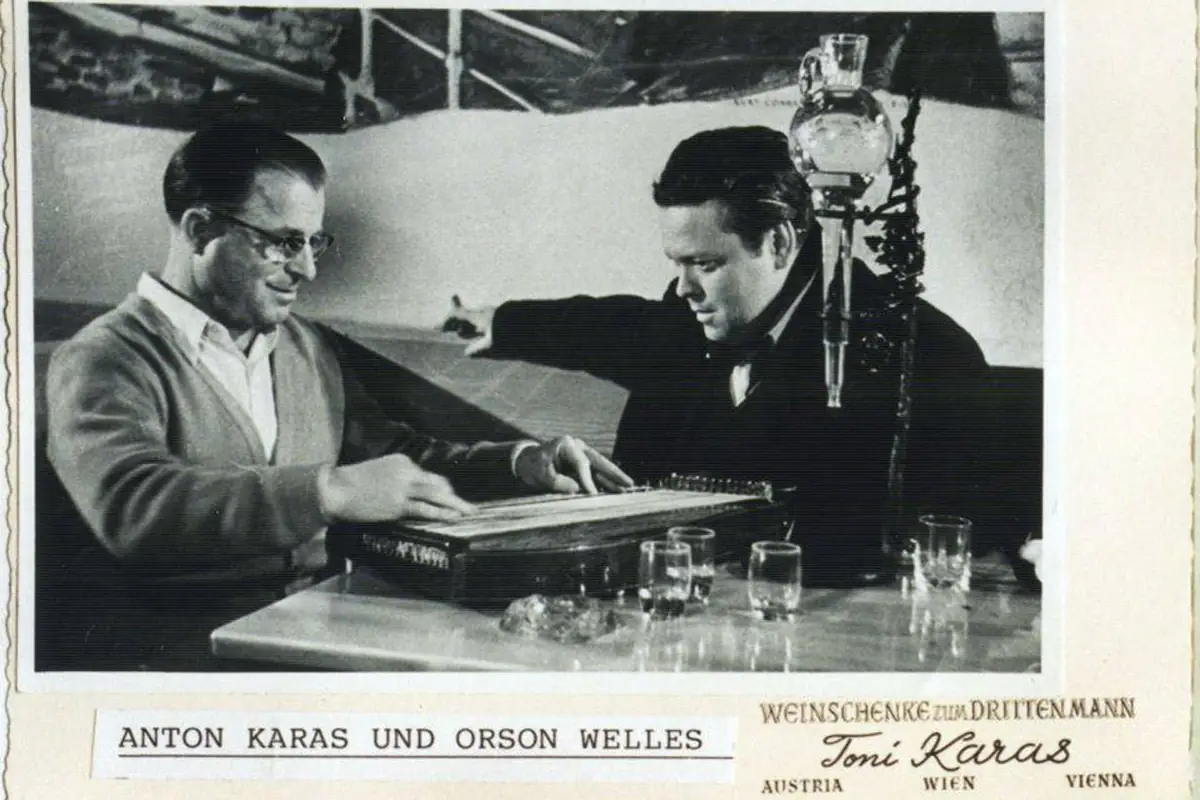
The Third Man is set in Allied-occupied Vienna after the Second World War, and Wikipedia says that six weeks of principal photography took place on location in the city, ending in December 1948. Its score is played by Anton Karas, a zither player who was unknown before production, performing in local wine gardens. Director Carol Reed heard him one night and was fascinated. The theme reached number one on a United States chart for eleven weeks in 1950, and the film won the Palme d'Or at the 1949 Cannes Film Festival. The sound of the film is one local instrument, which is the opposite of a studio orchestra.
Why a city shapes a sound
A conservatory, an opera house and a culture of concert-going produce musicians who can write for orchestras and for the stage. Steiner and Korngold both came out of that setting before they reached Hollywood, and both brought with them the habit of tying a theme to a character, which Wikipedia describes as leitmotif in Steiner's King Kong score. It would be too neat to say that Vienna invented film music, and no source says so. What the sources do show is that musicians formed here carried a long tradition into a new medium, which is a modest but real claim.
What it means for a concert here
None of this changes what you will hear on a given evening, but it gives the evening a local frame. Hollywood's film-music tradition owes part of its sound to composers formed in Vienna's conservatories and opera house, and Zimmer, Morricone and Williams work in a line that runs back through them. A candlelit hour of film themes in a Vienna church is a small piece of that line returning home. Vienna's own reputation as a city of music, built over centuries, is part of why that feels natural, and why the format has an audience here.
Frequently asked questions
Are these composers played at the concert?
The listing names Zimmer, Morricone and Williams, not Steiner or Korngold. They are background to the local story.
Where can I see the Korngold plaque?
It is on a Vienna house, as the Wikimedia Commons file shows. Check the file page for the address before you go.
Sources